Digital Twins for Manufacturing
and Process Engineering

Digital Twins for Manufacturing
and Process Engineering

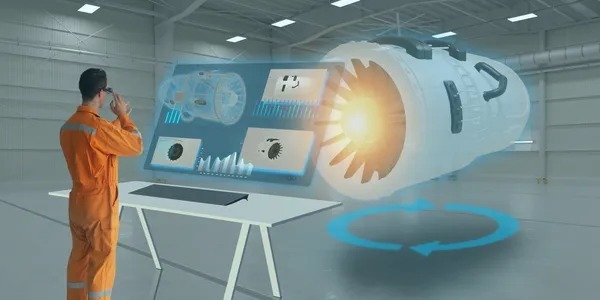
We develop Digital Twins by integrating physics models, process data, and AI into a unified engineering framework

A complete digital twin cannot be built from sensor data alone. While measured data provides important insight, true process understanding also requires the physics that governs the system and the behavior observed during operation. Intelimek develops digital twins that integrate governing physics, comprehensive process data, and observed process behavior into a single explainable framework that engineers can trust.
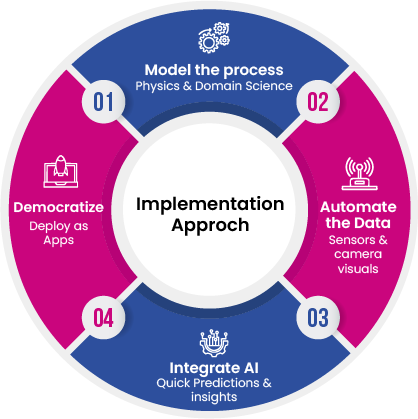
Our approach follows a structured four-step workflow that transforms complex process behavior into practical engineering decision support across development, scale-up, and manufacturing.

Harnessing Physics and AI
for Superior Process Engineering

Intelimek combines the laws of physics with advanced AI to provide explainable, validated results in process design. This integration enhances prediction accuracy and enables informed decision-making, optimizing efficiency and quality in dynamic environments.

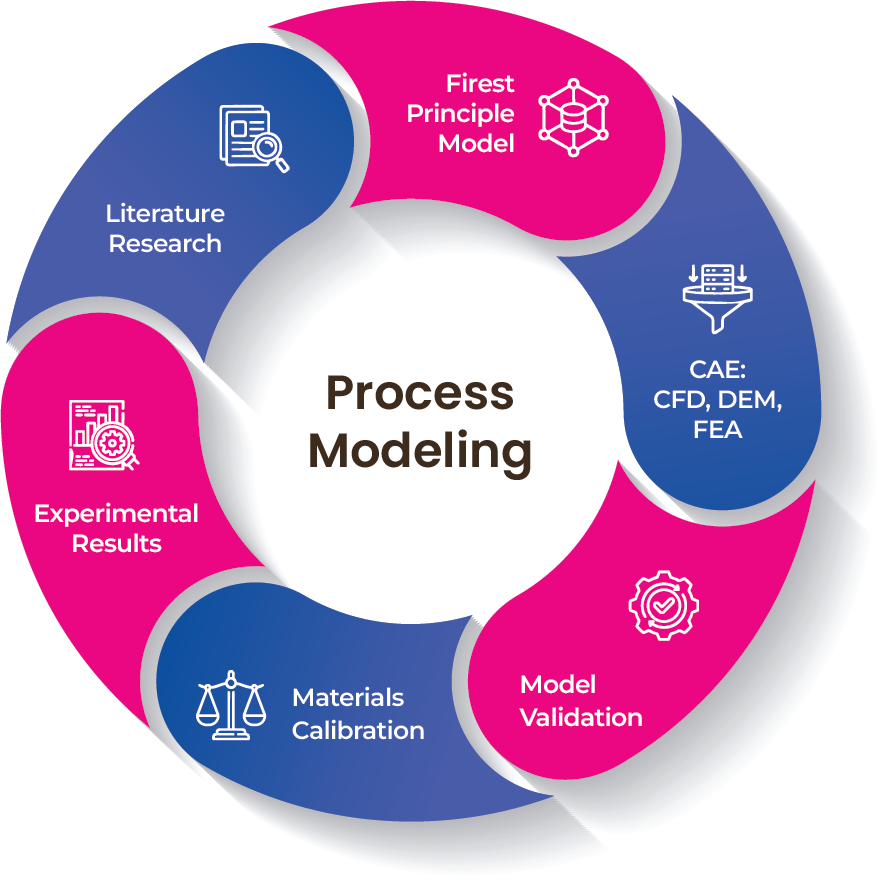
1. Physics-based Process Modeling

We begin by building a solid physics-based foundation that captures how the process should behave under different conditions.

This step includes:

  • Literature research and first-principles understanding of the process
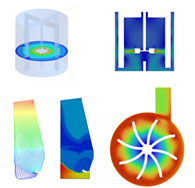
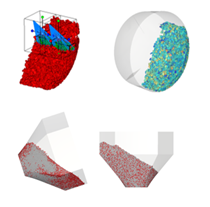
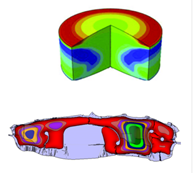
  • Development of physics models using CFD, FEA, and DEM
  • Material characterization and calibration using experimental and visual methods
  • Validation and tuning of models against measured and observed behavior
CFD Modeling
DEM Modeling
FEA Modeling

Our expertise includes implementing coupled solvers – CFD-DPM, CFD-DEM etc as well as implementation of additional physics using the solver APIs (development kits). Intelimek follows a vendor-agnostic approach and has hands-on experience with commercial tools such as Ansys, Altair, and Dassault, as well as open-source solvers, selecting the most appropriate technology based on customer requirements, process context, and the level of physics fidelity needed for the application.

These models describe the underlying mechanisms of flow, heat transfer, stress, mixing, compaction, or drying. This physics layer forms the reference against which all data and AI models are developed.

Explore Success Stories

2. Automate Data Generation and Integration

Once the physics foundation is established, we automate the generation
and integration of all relevant data.

This includes:

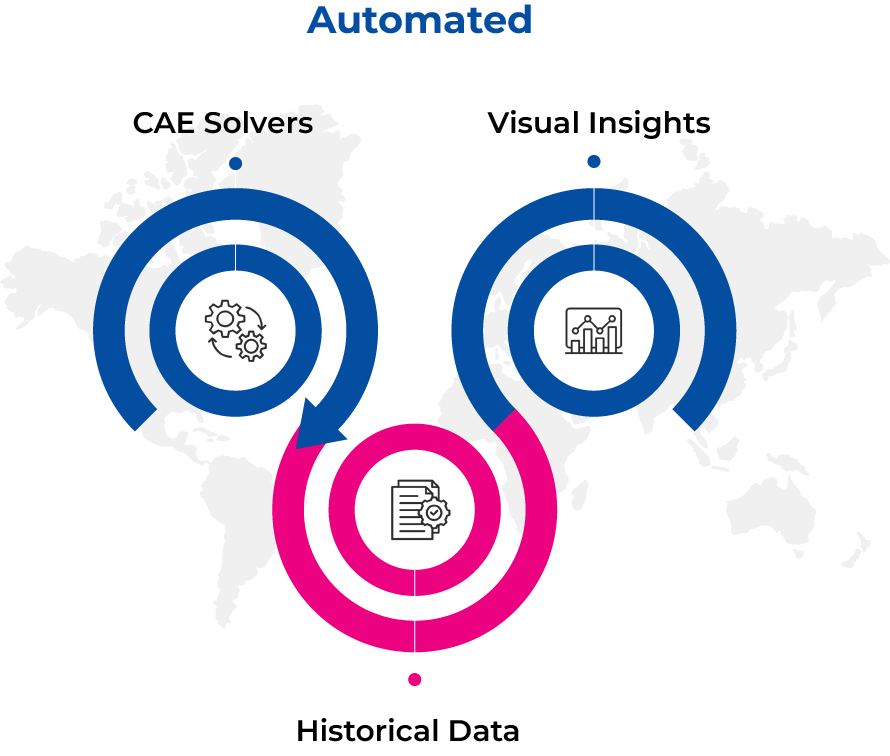
  • Automation of geometry preparation, meshing, solver setup, and execution
  • Scalable execution of simulations on HPC or cloud infrastructure
  • Automated post-processing and extraction of engineering insights
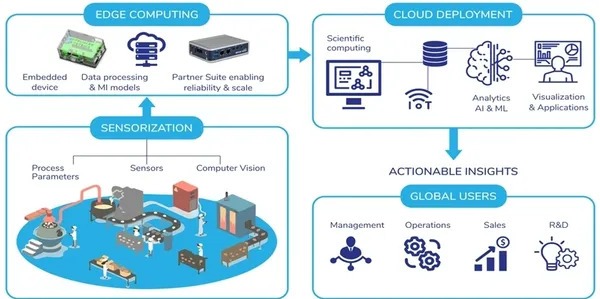
  • Integration of process and sensor data such as vibration, temperature, pressure, torque, ultrasonics, and control signals
  • Ingestion of SCADA and historian data from manufacturing systems
  • Integration of visual data from cameras, thermal imaging, and video streams

This automated pipeline brings together synthetic data from physics models and measured and observed data from real processes into a consistent and comprehensive dataset.

3. Develop Physics-Guided AI Models

With a unified data foundation in place, we develop AI models that are guided by physics and informed by real process behavior.

Data sources used for model development include:

  • Physics-based simulation data High-fidelity datasets generated from first-principles process simulations such as CFD, DEM, FEA, and custom solvers that capture flow behavior, particle motion, heat and mass transfer, and equipment-specific physics across operating conditions.
  • Process and sensor data from plant systems Operating conditions from process control systems combined with measurements from sensors such as thermocouples, energy meters, load cells, and other instrumentation, along with formulation properties and experimental observations.

AI models are then developed using this combined dataset to:

  • Predict key process KPIs Machine learning models estimate critical process indicators such as blend uniformity, mass throughput, exhaust temperature, residual moisture, and other parameters that represent overall process health and performance.
  • Infer internal process behavior using physics-guided neural networks Neural network models combined with governing physical principles, including physics-informed neural networks (PINNs) and platforms such as NVIDIA® PhysicsNeMo, enable prediction of internal process characteristics that are difficult to measure directly.
    Examples include temperature distributions inside equipment, hot or cold spots, segregation regions, dead zones in mixing systems, evaporation zones in drying processes, and other spatial process characteristics.

These insights provide additional levers for process development teams to optimize operating conditions, understand variability, and investigate root causes of process deviations.

Intelimek is part of the NVIDIA® Connect Program, enabling us to leverage NVIDIA’s GPU ecosystem, technical resources, and advanced toolkits such as PhysicsNeMo for physics-informed ML model development and Omniverse for high-fidelity visualization and digital twin interfaces. This strengthens our ability to build scalable, physics-guided AI models and engineering applications that combine simulation, data, and visualization in a unified and computationally efficient framework.

4. Deploy As Web Apps

A digital twin creates value only when it is accessible to the teams who need it.

This includes:

  • Automate model refinement as new data becomes available
  • Enable engineers to interact with models without requiring simulation or AI expertise
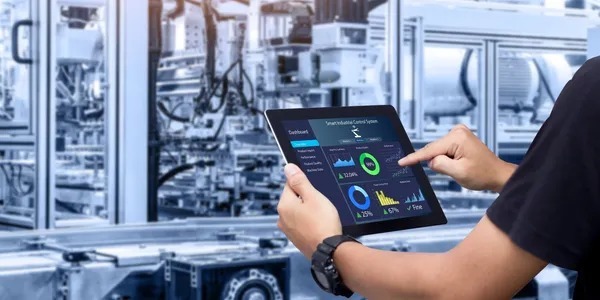
  • Deploy digital twins as secure, intuitive web applications
  • Support decisions across development, scale-up, transfer, and manufacturing
  • This ensures advanced models move from specialist tools to everyday engineering workflows.
Agentic AI Guidance for Everyday Engineering Use

Digital twins can be physics-heavy and data-intensive, and many teams want a copilot-style assistant to navigate models and extract insights faster. Intelimek’s agentic AI framework delivers this while keeping security and deployment constraints in mind. It supports guided application navigation and domain queries, helping users interact with digital twins confidently and consistently.

Business Value and Outcomes

Intelimek’s digital twins are designed to deliver measurable business impact.
They help teams:

Reduce experimentation time and cost by replacing physical trials with virtual studies

Explore process design space efficiently and with confidence

Assess process variability and risk under changing conditions

Optimize operating windows for maximum throughput and quality

Tune processes faster during scale-up and technology transfer

By combining physics, data, and AI within a single framework, Intelimek enables faster decisions, lower development risk,
and more reliable process performance.

Why Intelimek?

Intelimek combines a team of experts with deep industry knowledge in steel, pharma, food, and healthcare. Our experience in developing and automating process models that integrate seamlessly with AI ensures tailored solutions for specific challenges.

With a proven track record of delivering effective results, we are a trusted partner for organizations seeking to optimize their processes. Our commitment to enhancing productivity makes us a credible choice for navigating complex environments.

Our Values

Digital Twin – What You Need

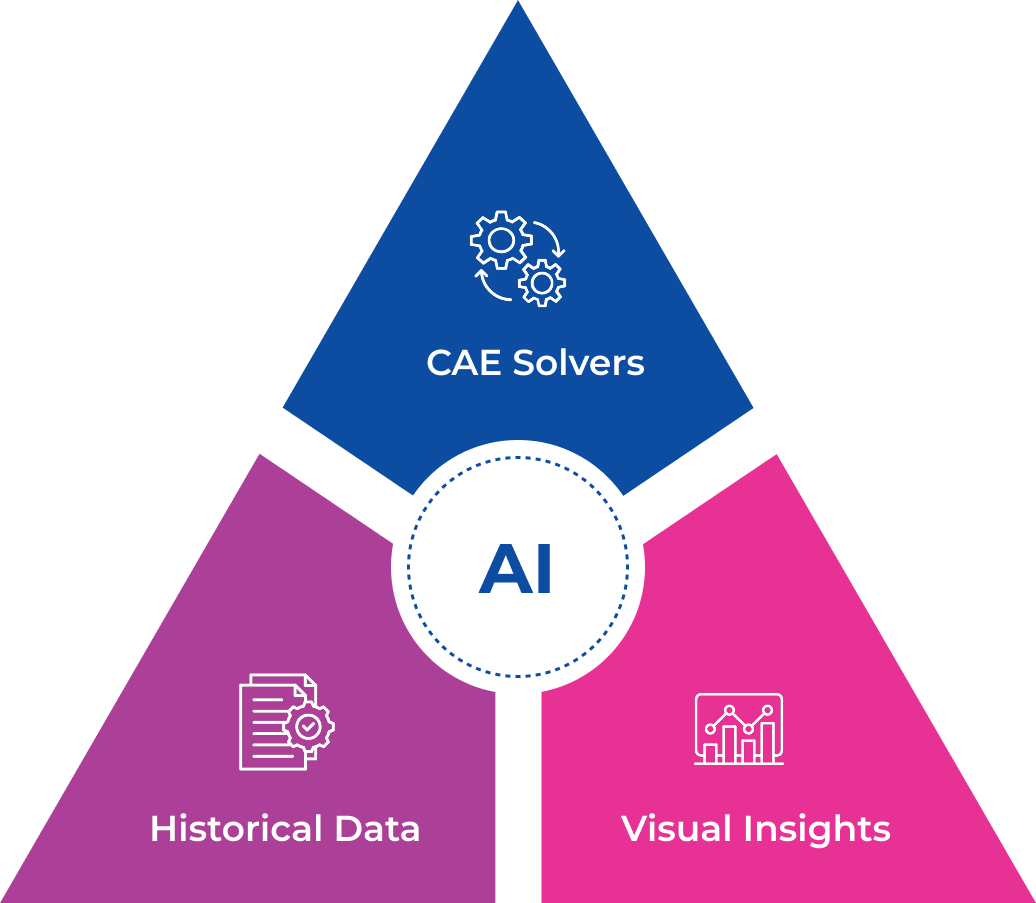
Digital Twins enhance comprehension of physical system behaviors and offer optimization tools. While those derived solely from data are incomplete, incorporating real-world data introduces variability. Understanding the operational dynamics and responses of systems requires both physical principles and real-world data. A thorough Digital Twin merges these aspects, combining theoretical frameworks with actual system behaviors.

Modeling Physics of Systems

Inclusion of Physics of the System brings in the context to derive the insights about system response to the changing operating conditions. Intelimek brings in the expertise to develop process models using CAE & Scientific Computing techniques. The models are integrated into Digital Twin workflow seamlessly.

Integration of Physical Parameters

Actual system parameters are collected via sensors and IIOT platform. Data models are build based on the measured data. Actual parameters are used as inputs to the physics and data models for analysis and prediction of system performance.

AI Powered Engineering

AI is integrated with IIOT data as well as CAE & Scientific Computing techniques to develop the AI powered models. AI increases accuracy and speed of the response.

Complete Digital Twin

A Complete Digital Twin is the one that includes models based on the Physics of the System, Measured data and parameters, and enhanced with AI.

Join Us On The Journey

We are building the future of process digital intelligence, one practical solution at a time. If you believe in making science and data work together for better outcomes, we would love to work with you. Whether you are a manufacturer exploring digital twins, a partner advancing industrial innovation, or a talent passionate about engineering and AI, this journey is for us to shape together.

Contact Us